
Research
We develop methods, models, algorithms, and tools for building intelligent systems that can be trusted to perform in the real world. Our research addresses the safety, robustness, security, and efficiency challenges of practical deployment in uncertain and open environments, and develops cross-layer, cross-domain solutions that connect learning algorithms, software-hardware platforms, and system design. Our recent work spans three areas:
- Safe and Trustworthy Embodied AI Systems
- Robust and Efficient Learning under Data Challenges
- Design Automation of Cyber-Physical Systems
Safe and Trustworthy Embodied AI Systems
This research develops theoretically grounded and practically deployable methods for safe, robust, and verifiable embodied AI systems. We combine insights from formal verification and data-centric control approaches to scale systems’ performance without sacrificing theoretical guarantees.
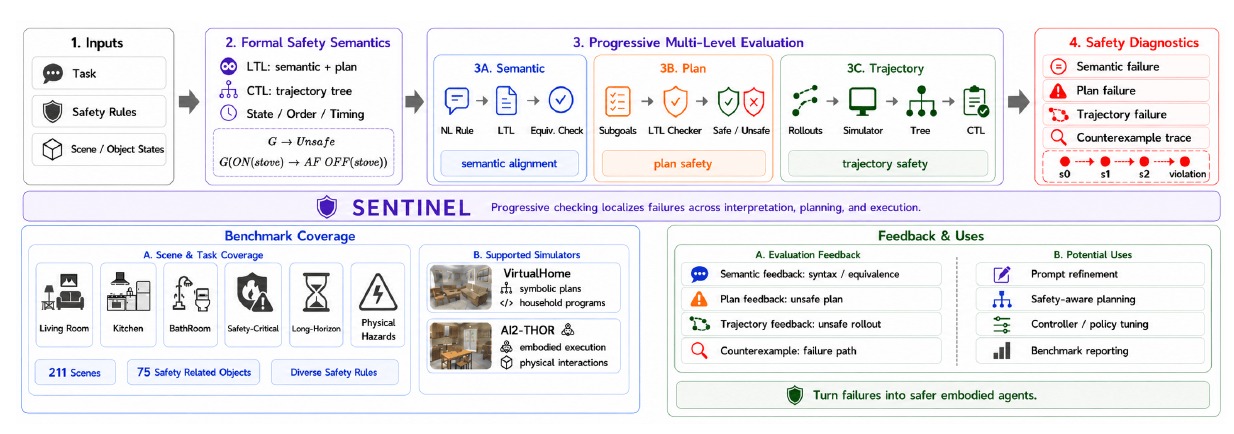
Safety Evaluation and Improvement for Foundation Model-driven Embodied AI. Foundation model-driven embodied agents, such as those based on LLMs, VLMs, and VLAs, can plan and act impressively, but task success alone says little about whether they behave safely. We develop specification-grounded frameworks that formally evaluate, and then improve, the safety of these agents. Our SENTINEL framework (arXiv 2026) grounds intuitive natural-language safety requirements in formal temporal logic and evaluates agents at multiple levels: probing whether they understand the requirements at the semantic level, checking generated plans against the specifications before execution, and formally verifying execution trajectories, thereby exposing safety violations that heuristic or model-judged evaluations miss and driving improvements through verifiable counterexample feedback.
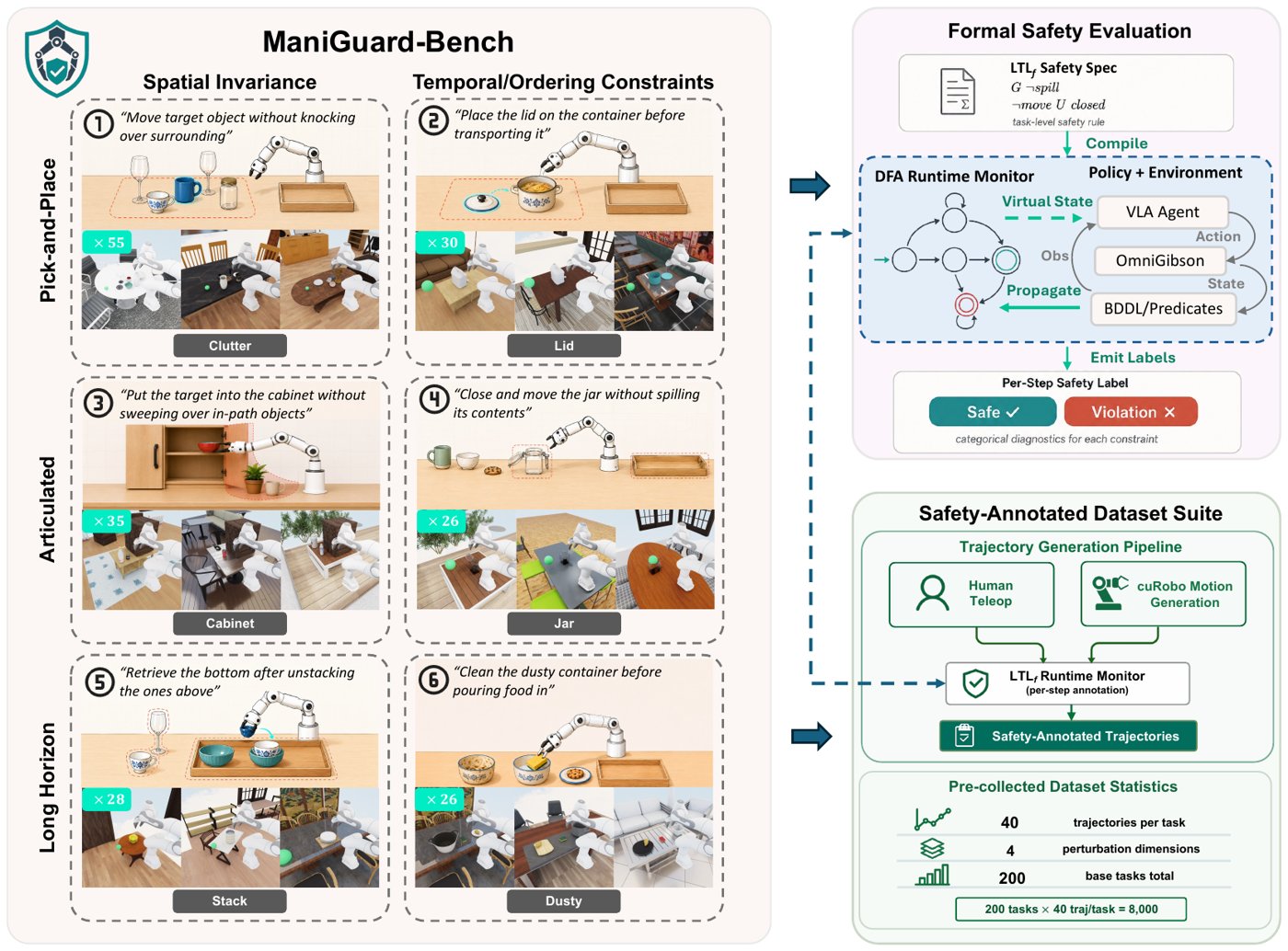
Our ManiGuard framework (arXiv 2026) extends this specification-grounded approach to contact-rich robotic manipulation, combining a benchmark of household manipulation tasks monitored by runtime temporal-logic checkers, in both physics-based simulation and on a physical robot arm, with a safety-annotated data pipeline for safety-aware fine-tuning. Our study reveals that 1) safety must be evaluated as a first-class objective independent of task success, 2) fine-tuning on our paired safety-annotated suite substantially improves safety, and 3) a substantial safety gap remains for today’s VLA policies and scaling the same demonstrations does not close such gap. In our earlier work, we developed methods that ensure generated robot motions respect physical laws (IROS 2024) and integrate common-sense reasoning to handle rare edge cases in autonomous driving (ICLR 2024 Workshop). Together, our effort in this area aims to enable rigorous safety evaluation and guided safety improvement for embodied AI systems.
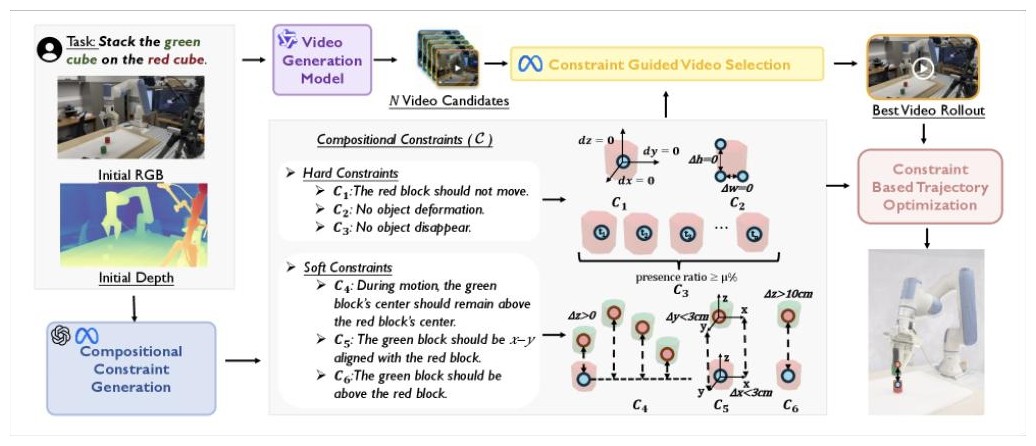
Trustworthy Foundation-Model Agents. Foundation models are taking on central roles in embodied agents, bringing new capabilities but also new risks. On the security side, we exposed backdoor vulnerabilities that arise from how foundation-model agents are customized for deployment, through fine-tuning, retrieval-augmented generation, and prompt-based grounding in physical environments (ICLR 2025). On the alignment side, we align video generation models with physical and task constraints to enable zero-shot robotic manipulation (IROS 2026, CreFlow), and developed a unified ODE-based steering framework that aligns LLM behavior with control-theoretic guarantees (ICLR 2026). These threads share a common goal: making the foundation-model core of embodied agents both harder to subvert and easier to steer toward safe, physically grounded behavior.
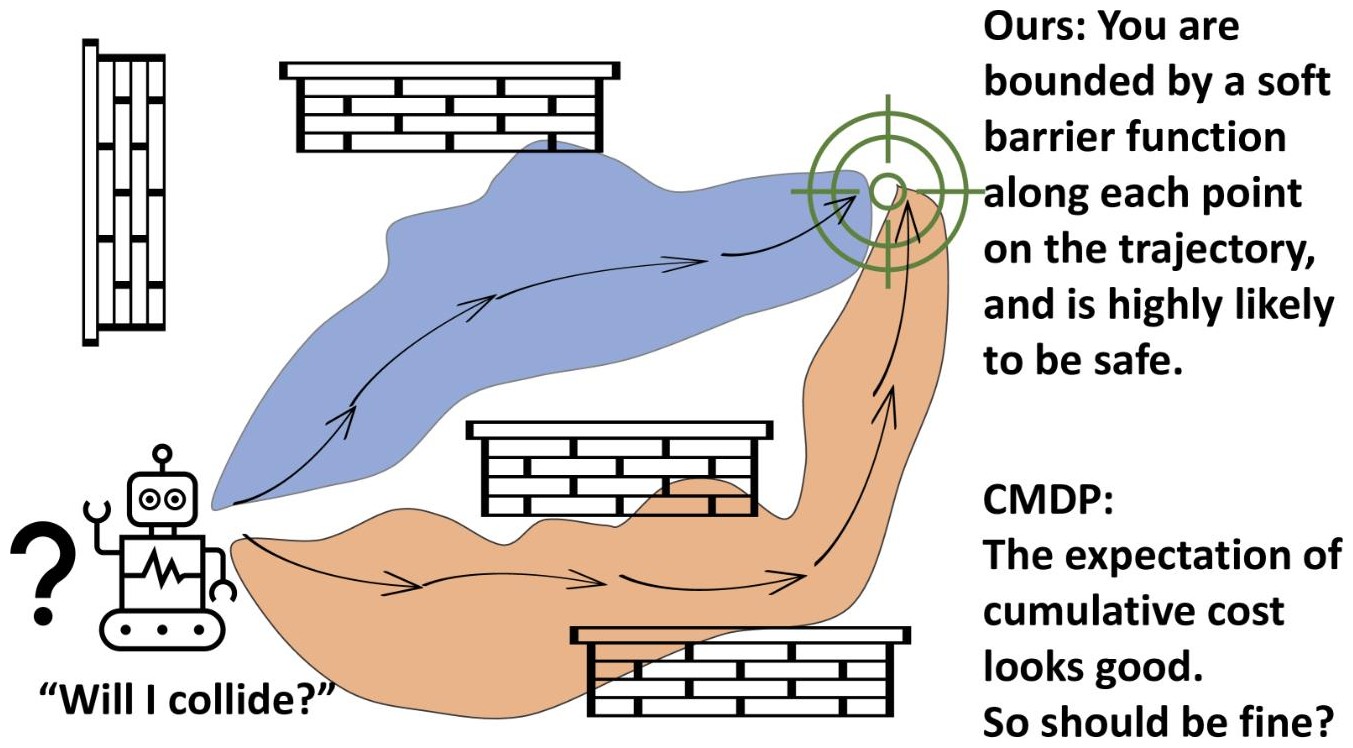
Safe and Delay-Aware Reinforcement Learning. Deploying AI systems in safety-critical applications like autonomous vehicles or medical robotics requires guarantees that they won’t cause harm, yet traditional reinforcement learning approaches lack formal safety assurances. We develop methods that enable AI agents to learn effectively while provably avoiding unsafe situations. Our work introduced barrier functions that ensure safety during learning and after deployment (ICML 2023), extended these guarantees to work with image inputs (L4DC 2024), and created frameworks that jointly address both performance and safety (ICCPS 2023).
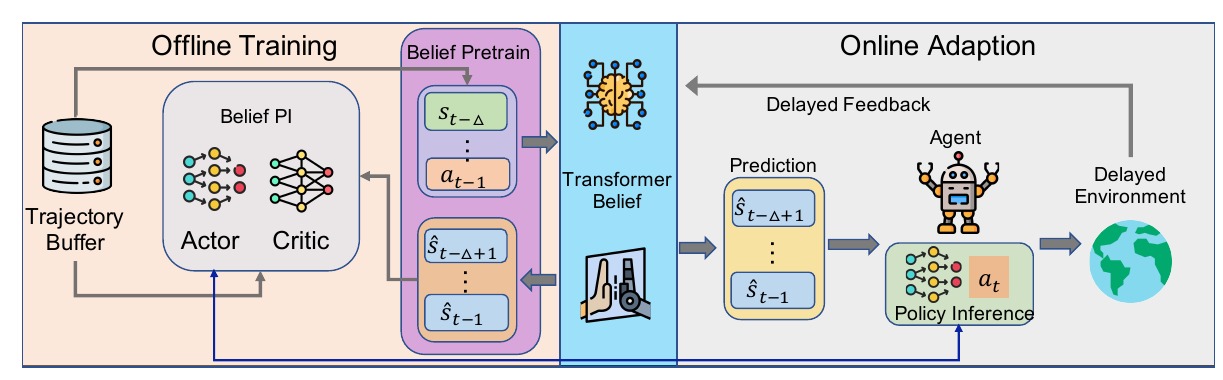
A closely related challenge is that real-world robots and autonomous systems face inevitable delays: cameras take time to process images, motors need time to respond, and wireless signals experience latency. These delays break assumptions in standard learning approaches and can cause dangerous failures. We developed novel approaches that explicitly account for delays during reinforcement learning, including methods that reformulate the problem as probabilistic inference (NeurIPS 2024 Spotlight), predict future states to compensate for delays (ICML 2025, ICLR 2026), and leverage auxiliary tasks to accelerate learning in high-delay environments (ICML 2024). Our methods significantly improve performance in networked robots, cloud-based control systems, and remote operations where delays are unavoidable.
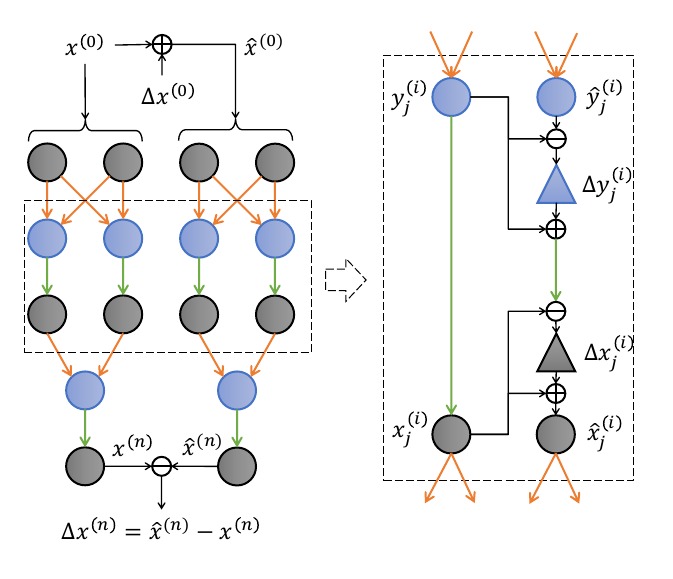
Safety Verification and Assured Design of Neural Network-based Systems. Before neural networks can be used to control safety-critical systems, we need rigorous guarantees on the safety of their behavior. We developed ReachNN (EMSOFT 2019, ICCAD 2019, ATVA 2020 tool), one of the first safety verification tools for neural-network controlled systems based on reachability analysis, and substantially advanced its scalability with POLAR (ATVA 2022) and POLAR-Express (TCAD 2023), which propagate Taylor model overapproximations layer by layer across neural-network controllers and achieve state-of-the-art verification efficiency and tightness. We have also explored applying these tools for runtime assurance, such as verified online switching between neural and backup controllers in LiDAR-based robot navigation (RV 2024). For neural network robustness, we developed layer-wise refinement for tighter robustness analysis under input disturbance (EMSOFT 2020), bounded perception uncertainty for safe control (DATE 2021), introduced the first efficient global robustness certification via interleaving twin-network encoding (DATE 2022, Best Paper Award), and extended it to provable network repair for global robustness (AAAI 2024).
Building on these verification capabilities, we also pursue safety-assured design and adaptation of learning-enabled systems: correct-by-construction control learning with verification in the loop (DAC 2022), learning better neural controllers from multiple model-based and neural experts via adaptive mixing and robust distillation (DAC 2021), safety-assured switching among controllers for energy-efficient adaptation (ICCAD 2020, Best Paper Candidate), and runtime adaptation that proactively skips control actuation or task jobs while preserving formal guarantees (DAC 2020, EMSOFT 2021).
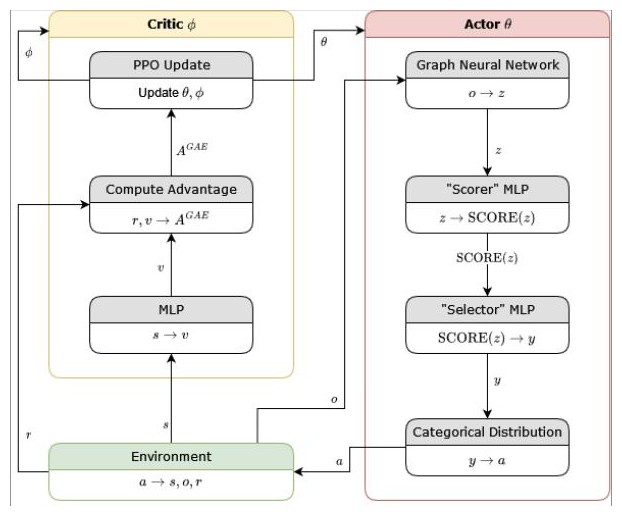
Resilient Multi-Agent Coordination. Multi-agent systems deployed in harsh environments must remain robust to disturbances such as agent attrition and communication disruption, while intelligently minimizing communication. We develop graph neural network-based multi-agent reinforcement learning for resilient distributed coordination (IROS 2024) and attrition-aware adaptation strategies for multi-robot patrolling (RA-L 2024), paired with embodied world models and communication/action co-planning for partially observable environments. These capabilities are central to persistent missions such as environmental monitoring, infrastructure inspection, and patrolling, where robot teams must keep operating as teammates fail and communication links drop.
Robust and Efficient Learning under Data Challenges
Real-world data rarely looks like a curated benchmark: signals are nonstationary and noisy, modalities go missing, labels are scarce, distributions shift, and data is decentralized across devices and institutions. This research develops learning methods that stay robust and efficient under these challenges.
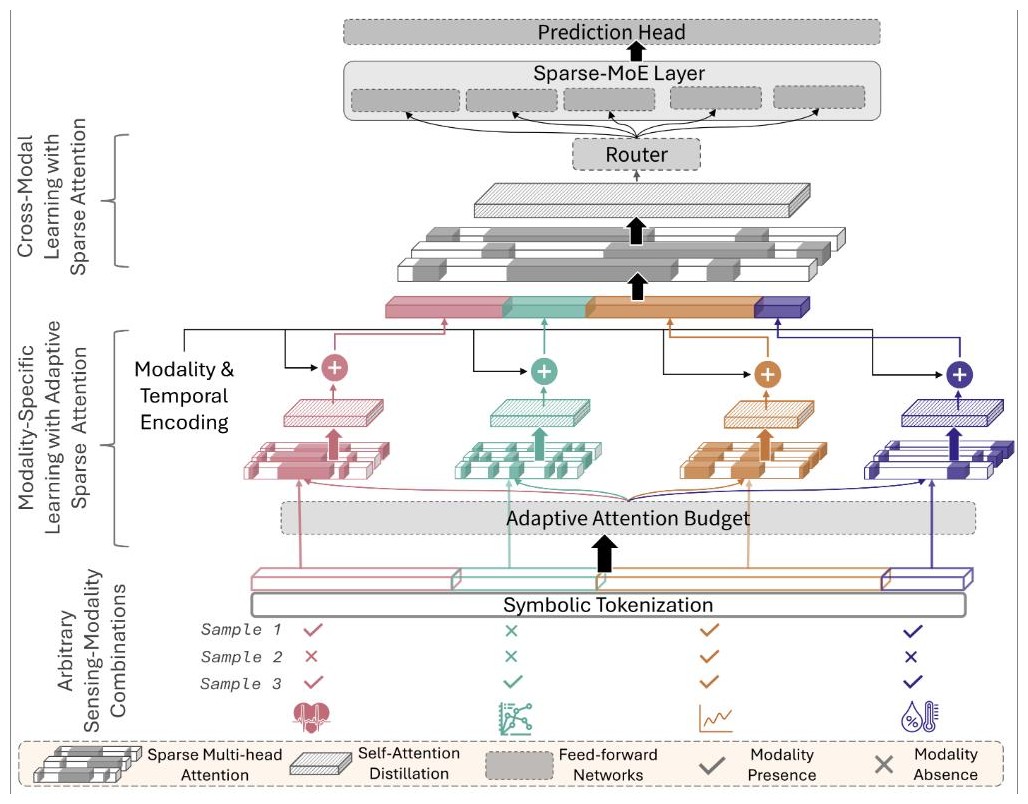
Multimodal and Nonstationary Time-Series Learning. Continuous sensing applications, from clinical health monitoring to human-machine interaction, produce multimodal time series that defy standard learning assumptions: signal statistics drift over time, sensors differ in reliability and sampling rate, and entire modalities can go missing at deployment. We developed phase-driven generalizable representations that capture the underlying structure of nonstationary signals (TMLR 2025), adaptive sparse attention that allocates modeling capacity across modalities and time while remaining robust to missing inputs (NeurIPS 2025 Spotlight), explainable time-series classification via symbolic-linear decomposition that reveals which temporal segments drive each prediction (ICLR 2026), and modality-aware compression for efficient multimodal inference on edge devices (SentryFuse). Together, these methods improve both robustness and efficiency while remaining practical for resource-constrained, real-time deployment.
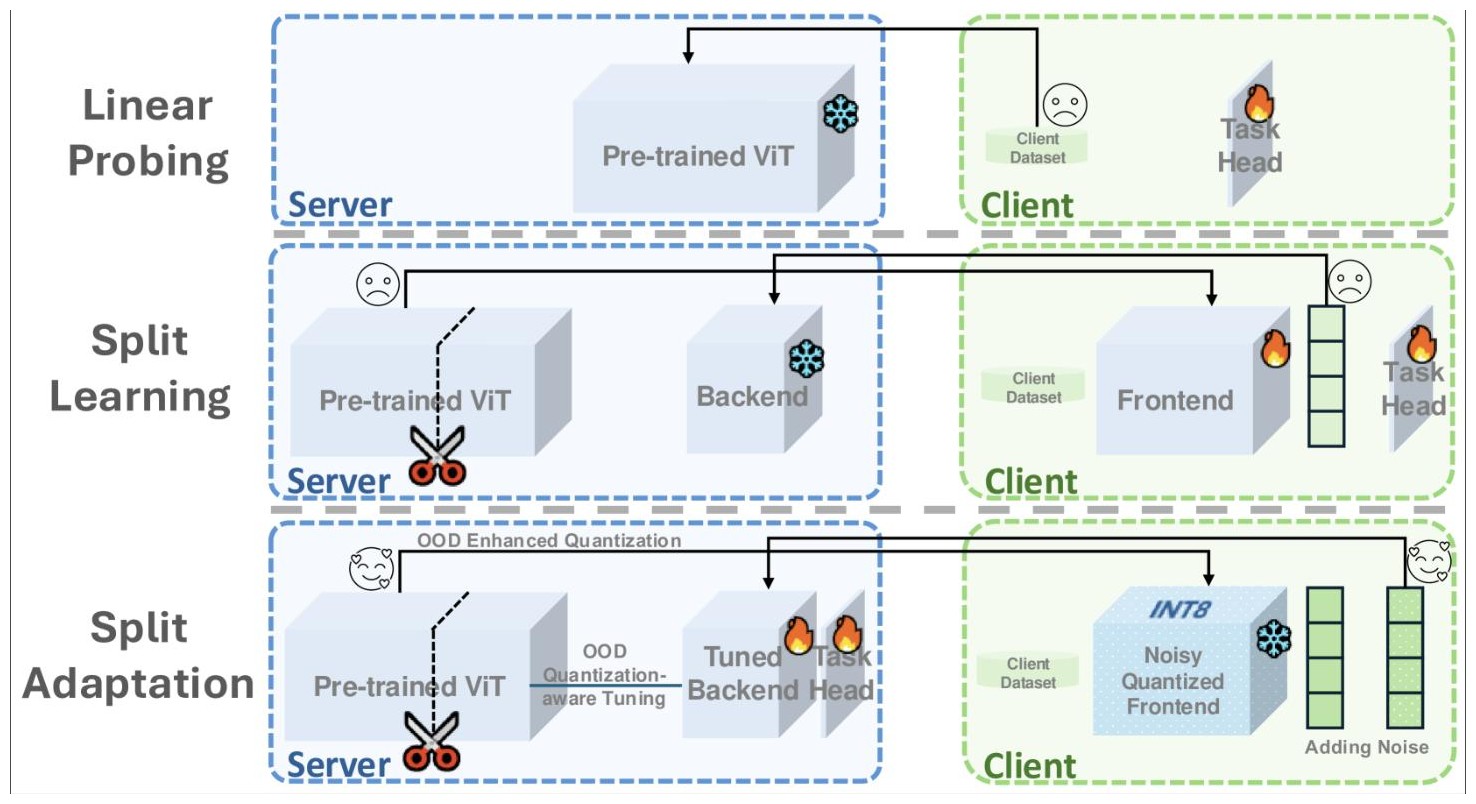
Learning under Decentralized, Imbalanced, Shifting, and Unlabeled Data. In many real deployments, data cannot be pooled: it is spread across devices and institutions, arrives with new classes and new domains over time, and is subject to privacy constraints, so standard centralized training breaks down. We developed techniques for federated learning under class imbalance (AAAI 2021) and under continually arriving classes across clients (CVPR 2022), and developed continual model generalization that keeps models performing well as previously unseen domains emerge (ICLR 2023). When labels or data are scarce in the target domain, our methods leverage weak annotators to assist cross-domain adaptation (ICCV 2021) and learn semantic features for universal unsupervised cross-domain retrieval (NeurIPS 2024). Most recently, we enable efficient adaptation of large pre-trained vision transformers without exposing either the pre-trained model or the downstream data, meeting both privacy and resource constraints (CVPR 2025).
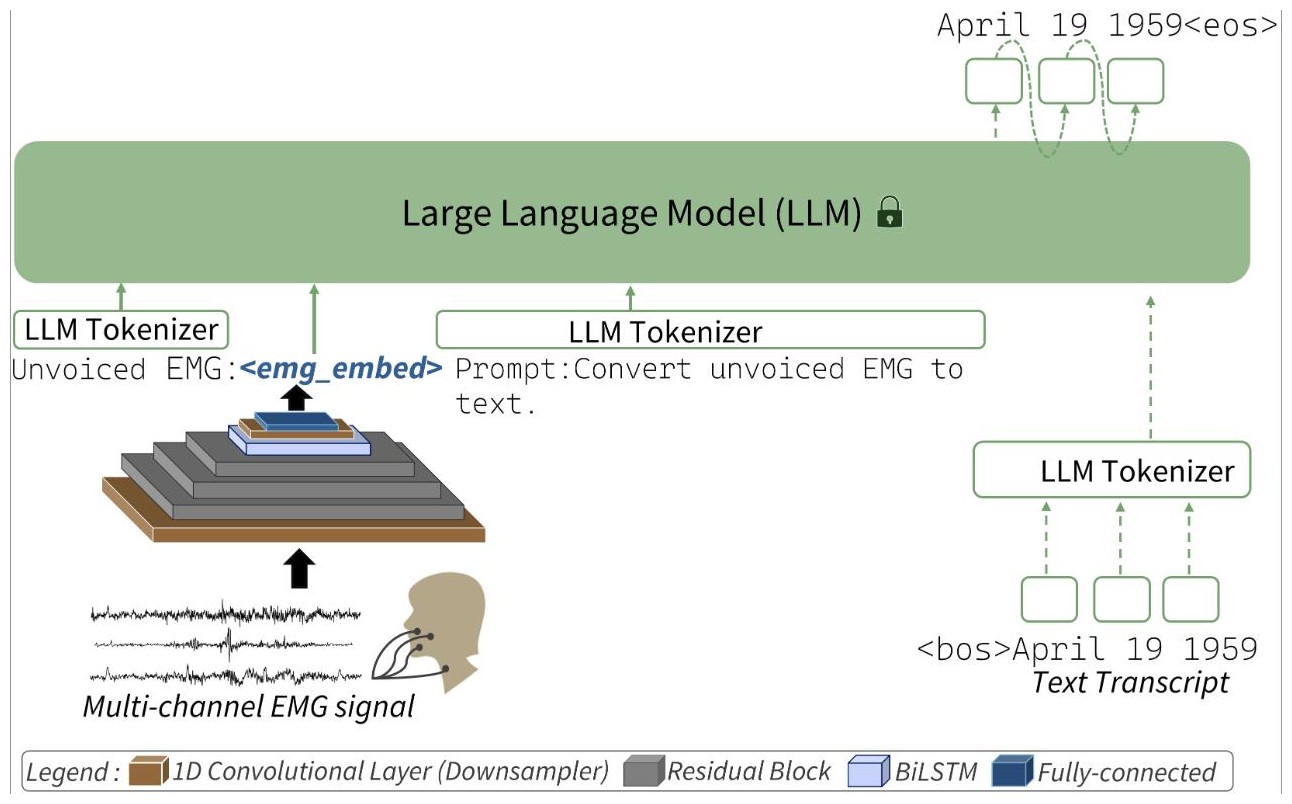
Learning for Human Sensing and Health. Building on these foundations, we tackle high-impact human sensing applications: data-efficient stuttering event detection with Siamese networks (ICASSP 2023), speech disfluency detection resilient to missing modalities (Interspeech 2024), enabling LLMs to understand unvoiced speech from EMG signals for users who cannot vocalize (ACL 2025), and multilevel physical fatigue prediction for manufacturing workers from wearable networks (PNAS Nexus 2024). Across these applications, our methods are designed to learn from limited labeled data and to remain reliable when signals are noisy or modalities drop out in everyday use. The longer-term goal is continuous, unobtrusive sensing that is dependable enough to support real clinical and workplace decisions.
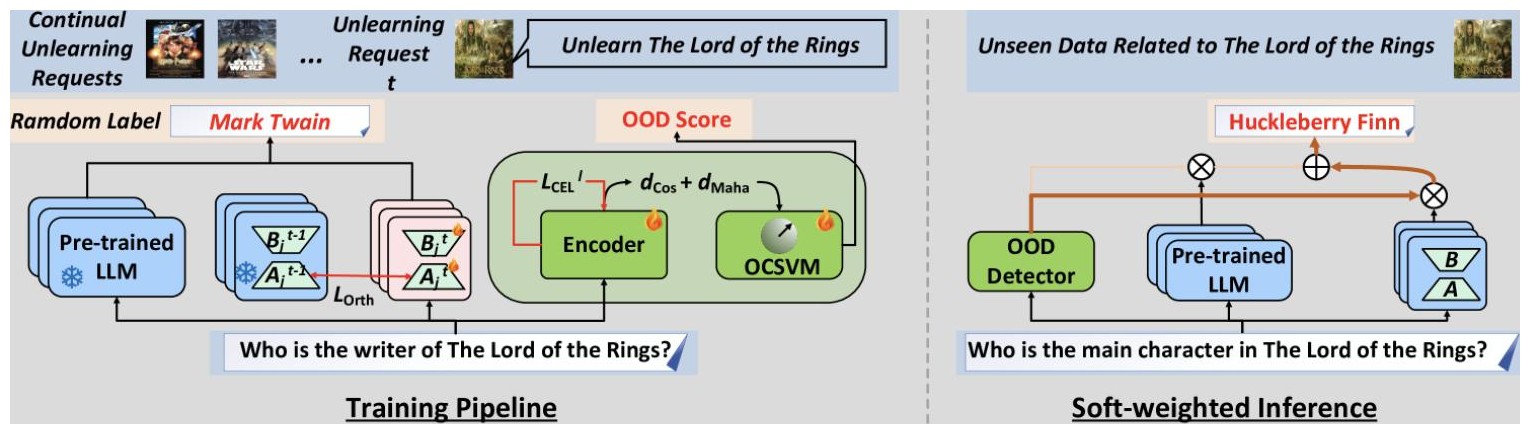
Trustworthy Model Ownership and Unlearning. Trustworthy machine learning also means controlling what models can do and what they remember. We introduced non-transferable learning for model ownership verification and applicability authorization (ICLR 2022 Oral), restricting where a trained model can be applied so that owners can protect their intellectual property and enforce usage terms. We also developed the first framework for continual unlearning in large language models, handling streams of removal requests over a model’s lifetime by removing the targeted knowledge on request without degrading the model’s remaining utility (ICLR 2025). These capabilities are increasingly important as regulations and licensing demand fine-grained control over what deployed models know and where they may be used.
Design Automation of Cyber-Physical Systems
Reflecting the lab’s name, Design Automation of Intelligent Systems, this research develops methodologies and tools for designing cyber-physical systems that are correct, efficient, secure, and adaptable, from advanced manufacturing to smart buildings and automotive electronic systems.
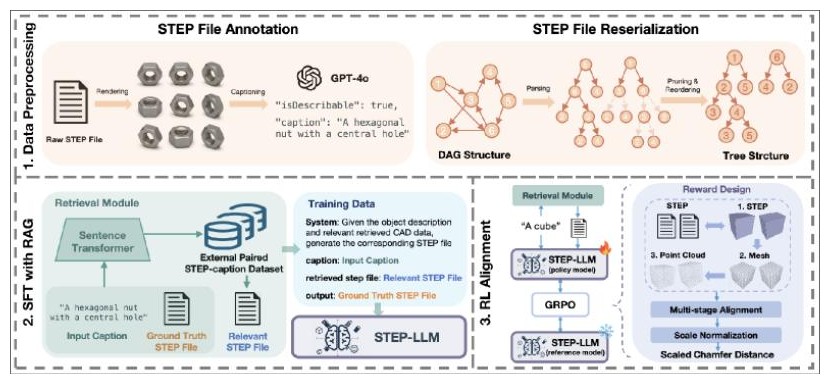
Foundation Model-driven Manufacturing Design and Optimization. Recently, we apply foundation models and other machine learning techniques for manufacturing design and optimization, such as developing fine-tuned LLMs that generate manufacturing-ready CAD STEP models directly from natural language input (arXiv 2026) and digital twin frameworks that combine learning and Bayesian optimization for process optimization in additive manufacturing (JMS 2024). These efforts aim to make advanced manufacturing design accessible to non-experts, translating intuitive design intent into manufacturable artifacts, and to optimize manufacturing processes end to end.
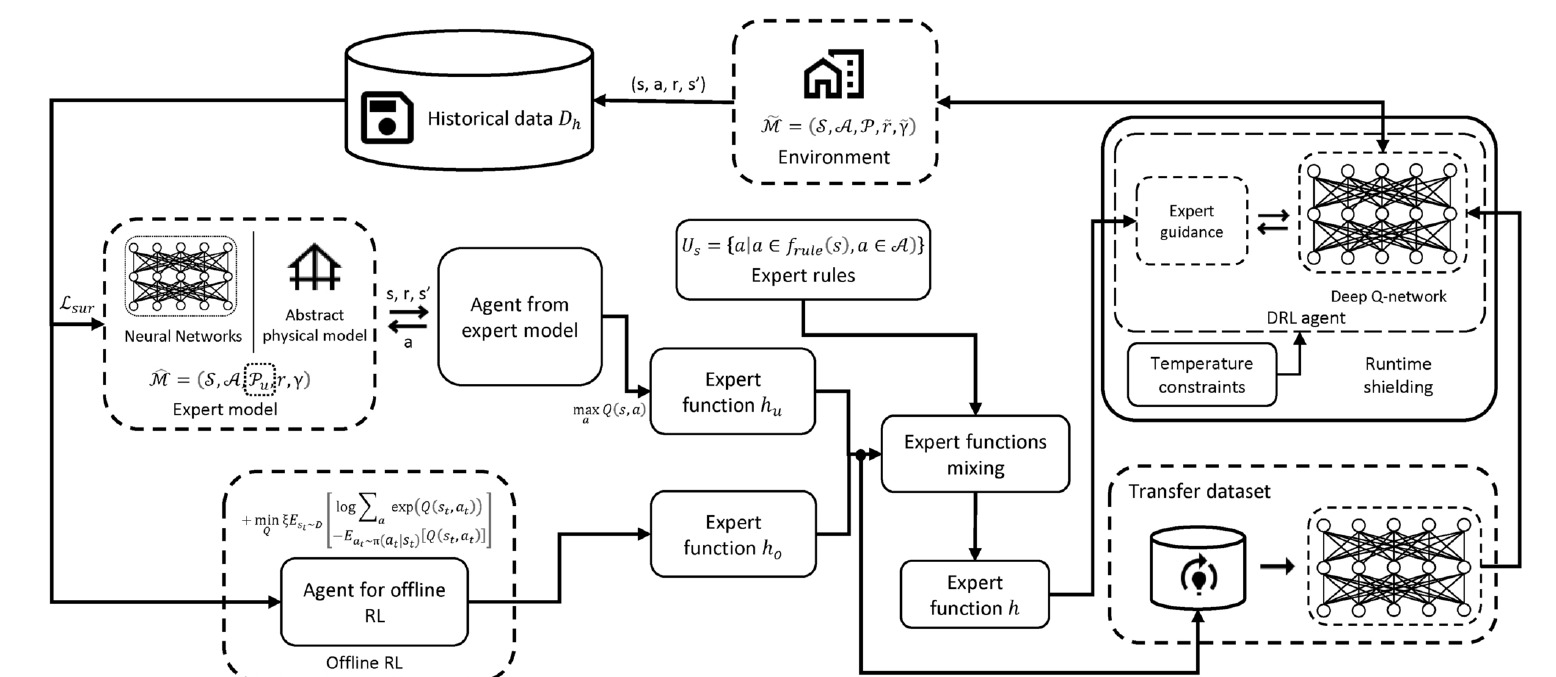
Smart Buildings and Energy Systems. Buildings account for a large share of energy consumption, and our work aims to develop novel learning-based approaches for improving building energy efficiency and resilience. In particular, we introduced deep reinforcement learning for HVAC control (DAC 2017), transfer learning to make such controllers practical across buildings (BuildSys 2020), sensor-fault-tolerant control with model-assisted learning (BuildSys 2021), expert-guided training for efficient and assured control (Scientific Reports 2025), and cyber-resilient control frameworks that keep energy systems operating under attack (STBE 2026).
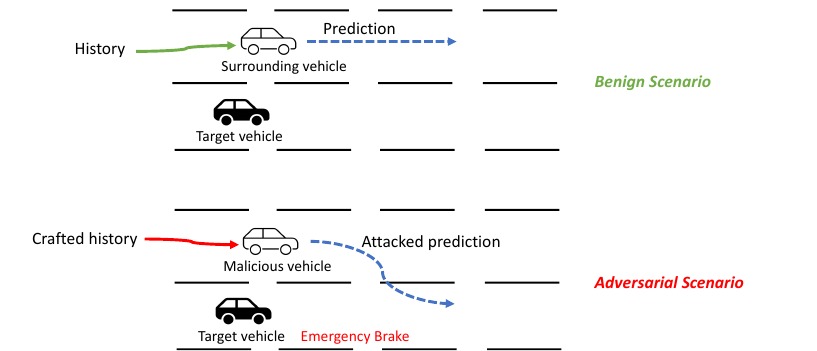
Intelligent and Secure Automotive Systems. We developed cross-layer design methodologies for connected and autonomous vehicles, spanning security-aware mapping for in-vehicle networks, next-generation E/E architecture exploration, delay-tolerant intersection management (TCPS 2019), and the co-design of vehicle autonomy with edge and cloud computing. For vehicle autonomy itself, we designed physics-aware hierarchical neural network planners with formal safety assurance (ICCPS 2022) and safety-driven interactive planning for lane changing (ASPDAC 2023, Best Paper Candidate), and hardened perception and prediction against attacks and anomalies through uncertainty-based mitigation of adversarial attacks on lane centering (IV 2021), adversarial training for robust trajectory prediction (ICCV 2023), and anomaly detection of vehicle trajectories (IROS 2023).
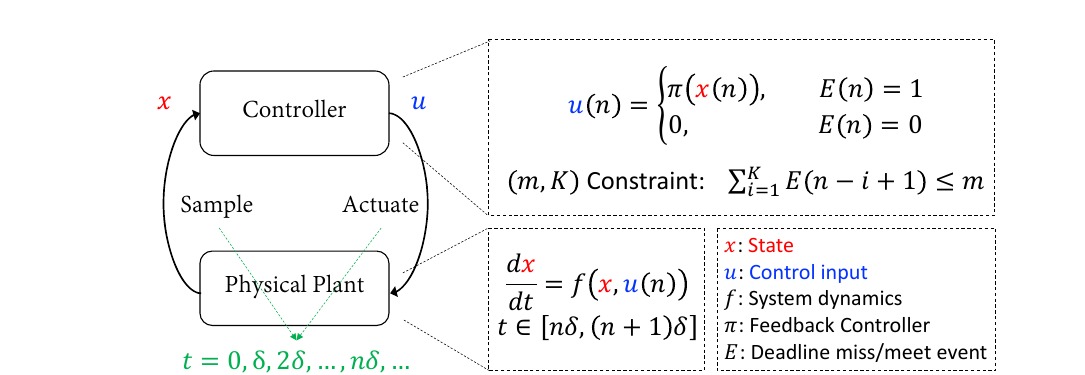
Weakly-hard Systems and Software Synthesis. To address the pressing challenge of meeting timing constraints in real-time systems, we developed a series of methods across system layers based on the weakly-hard paradigm, which bounds how often deadlines may be missed rather than forbidding all misses, opening a principled middle ground between hard real-time rigidity and best-effort execution. On this foundation we developed the first formal safety verification of nonlinear systems under weakly-hard constraints (HSCC 2019) and the open-source analysis tool SAW (CAV 2020), job-class-level scheduling that improves schedulability (RTAS 2019), security-driven codesign that accommodates monitoring tasks within relaxed timing constraints (ICCD 2019), and approaches that leverage these constraints for improved fault tolerance (ICCAD 2020).
Our earlier work established model-based synthesis flows for distributed embedded systems, including optimal task allocation and priority assignment (RTSS 2007, TECS 2013) and period optimization for hard real-time automotive systems (DAC 2007, Best Paper).